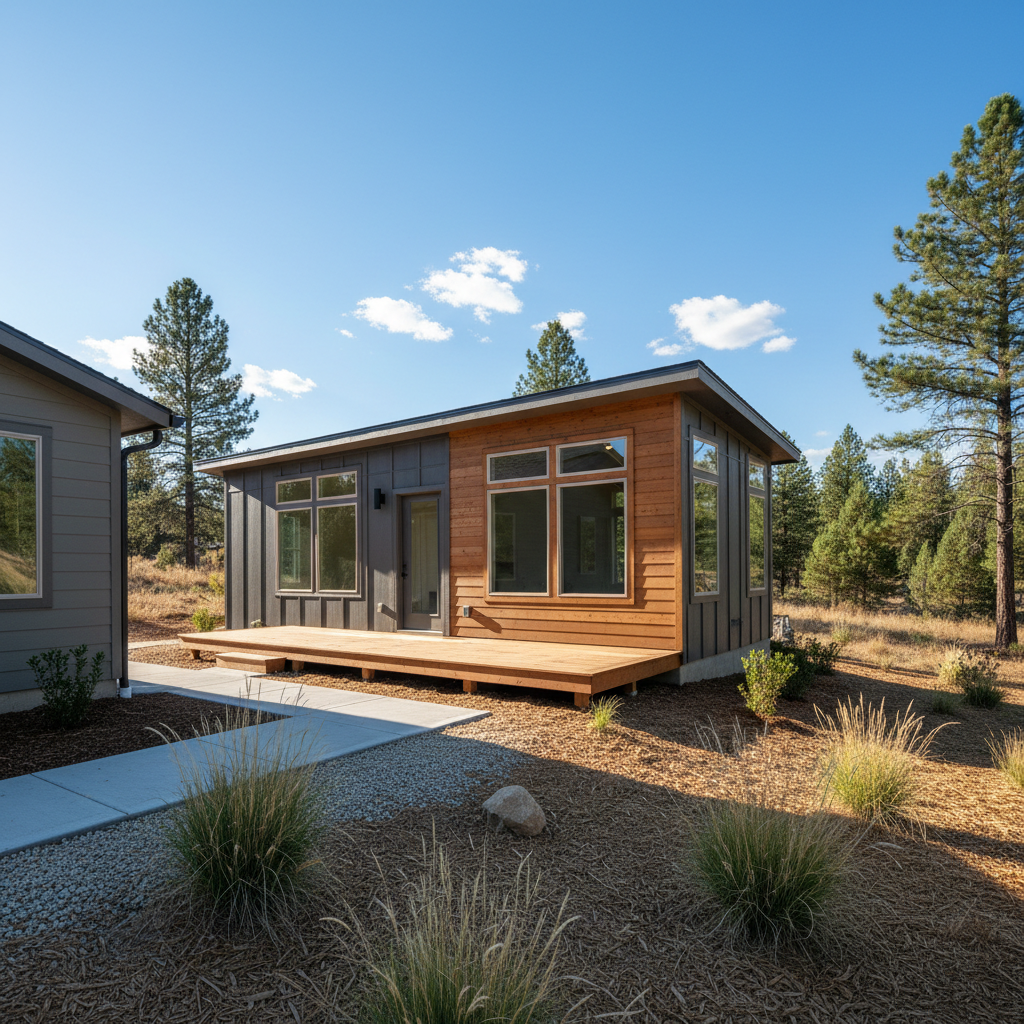
You've poured your time, money, and effort into building an ADU right here in Bend. Whether it's for family, bringing in some rental income, or just your own little quiet spot, you want it to last, right? I've seen plenty of ADUs come and go. The ones that really stand the test of time aren't just built well; they're *maintained* well. It's not brain surgery, but it does need a bit of attention, especially with our high desert climate throwing everything from heavy snow to scorching sun at us.
Keeping Your ADU Around Longer: It's All About Protection
Think of maintenance like preventative medicine for your ADU. The biggest enemies of any building in Bend are water, UV rays, and those crazy temperature swings we get. You really want to build a good barrier against those. That means keeping up with your exterior. For siding—whether it's fiber cement, wood, or something else—make sure you're checking for cracks, peeling paint, or any signs of rot. If you spot it, deal with it fast. A tiny crack today can turn into a huge water problem tomorrow. Same goes for your roof, by the way. Our freeze-thaw cycles can be brutal on shingles and flashing. I always tell folks to get a yearly inspection, especially after winter.
Proper drainage is another huge one. With our heavy snowmelt and those occasional downpours, water needs to move *away* from your foundation. So, make sure gutters are clean and downspouts direct water at least five feet away from the building. If you've got a crawl space, check that the vents aren't blocked and there's no standing water down there. Moisture, you see, is the enemy of wood and insulation.
Regular Upkeep: Your Seasonal Checklist
Here's what I tell my clients at Pacific ADU to keep an eye on throughout the year:
- Spring: Once the snow finally melts, look for any winter damage. Check your roof for loose shingles, inspect gutters for clogs from all those pine needles, and give your foundation a once-over for new cracks. Test your exterior faucets and irrigation system too.
- Summer: This is when you focus on UV protection. If you have wood siding or decks, think about resealing or staining them to protect against the sun. Trim back any shrubs or trees that are touching the building; they can hold moisture against the siding and even give pests an easy way in. Don't forget to clean your window screens.
- Fall: This is a big one for getting ready for winter. Clean all your gutters thoroughly. Inspect the weatherstripping around doors and windows and replace it if it's cracked or worn. Make sure your exterior caulk is still doing its job. And definitely turn off and drain exterior faucets to prevent pipes from freezing.
- Winter: Keep an eye on how much snow is piling up on the roof, especially if you have a lower-pitched roof or a flat section. Be careful with ice dams – good attic ventilation really helps prevent these. Check for drafts around windows and doors.
Inside, it's pretty standard stuff: change HVAC filters every 1-3 months, check your smoke and carbon monoxide detectors, and keep an eye on plumbing for any leaks. Oh, and clean out those dryer vents. Seriously, that's a fire hazard just waiting to happen.
Warning Signs You Really Shouldn't Ignore
Some things are minor, but others are like flashing red lights. If you see any of these, don't put off getting them checked out:
- Water stains on ceilings or walls: This means a leak, and it's actively causing damage.
- Musty odors: A classic sign of mold or mildew, usually from some hidden moisture problem.
- Cracks in the foundation or large cracks in drywall: Could point to settlement issues or bigger structural problems.
- Sagging floors or ceilings: Definitely a structural concern.
- Flickering lights or outlets not working: Electrical issues can be dangerous.
- Pest droppings or evidence of rodents/insects: They can cause significant damage to wiring, insulation, and wood.
When to Call in a Pro
Look, I'm all for DIY when it makes sense, but some jobs are just better left to the experts. If you're dealing with anything structural, electrical, or plumbing beyond a simple leaky faucet, call someone. If you suspect a roof leak but can't pinpoint it, or if you're seeing signs of foundation movement, that's a job for a specialist. For things like significant siding repair, major deck repairs, or anything that needs specialized tools or knowledge, it's usually more cost-effective and safer to hire a licensed contractor. Getting a professional inspection every few years can also catch things you might miss. It's just a smart move.
Your ADU is an asset. A little proactive care goes a long way in protecting that investment and making sure it serves its purpose for many, many years to come.