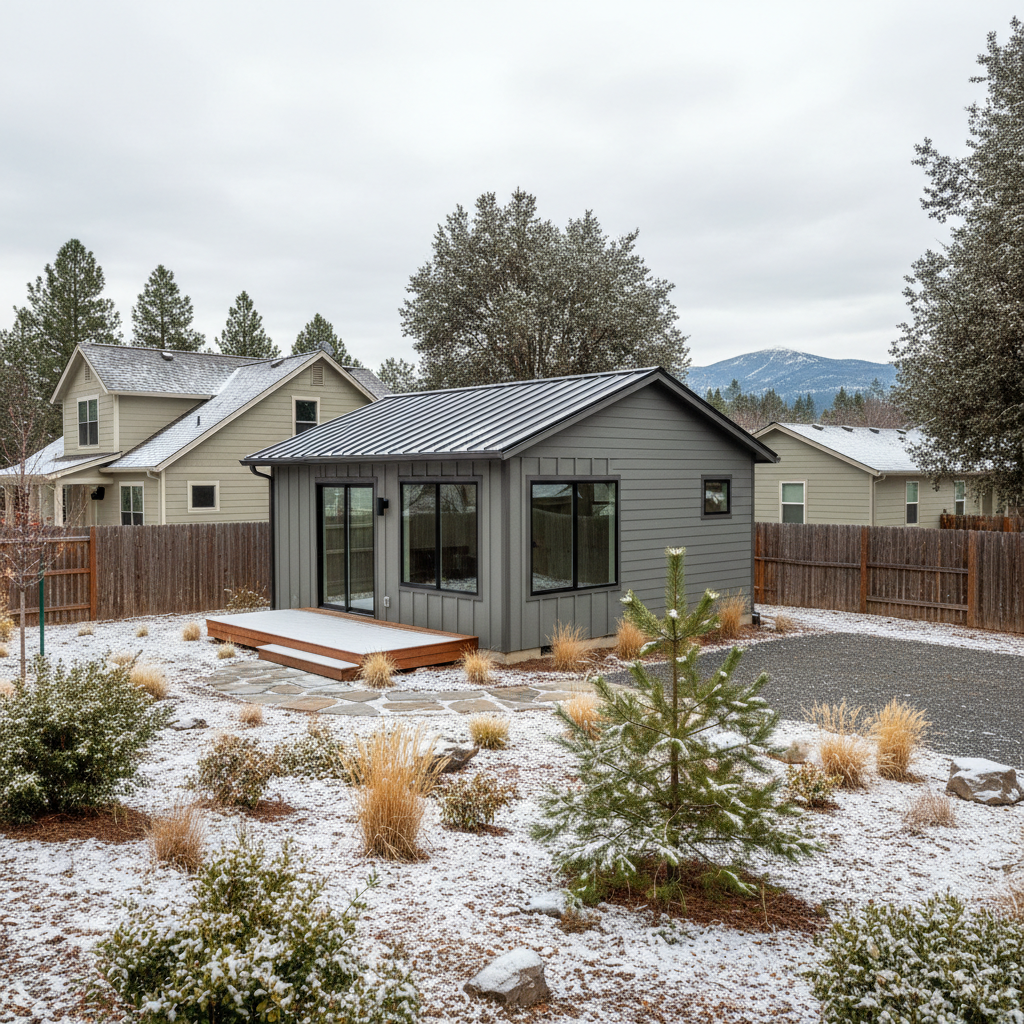
Thinking about adding an ADU to your Bend property? That’s a smart move, no doubt. But before you jump in, you’ve really got to think about our local climate. It’s not just about getting permits and picking out finishes; it’s about understanding how Bend’s unique weather patterns dictate when and how we build, plain and simple.
I've been building around here for years, and one thing's for sure: Mother Nature calls the shots. Ignoring her? Well, that can cost you time, money, and a whole lot of headaches. Let’s talk about what that means for your ADU project.
Timing Your Bend ADU Build: When's the Best Time to Start?
Everyone wants their ADU done yesterday, right? I totally get it. But in Bend, timing is absolutely everything. Our construction season, especially for foundations and any exterior work, is largely dictated by the weather. You’re really looking at a sweet spot from late spring through early fall.
Spring (April-May): This is often ideal for breaking ground. The ground's thawing out, which is great, and while we might still get some late snow or heavy rain, the temperatures are generally cooperative for pouring concrete and getting the framing up. Starting now means you can get the shell up before those really hot summer days hit us.
Summer (June-August): Perfect for exterior work. Dry, warm days mean concrete cures well, lumber stays dry, and crews can work efficiently without battling the elements. This is when we can really make progress on getting the structure enclosed and weatherproofed. It's also prime time for roofing and siding. And if you're building in a neighborhood like Awbrey Butte, where the soil can be a mix of volcanic rock and clay, dry conditions make excavation a lot smoother, thank goodness.
Fall (September-October): Still good for exterior work, but you're definitely racing the clock. We’re watching the forecast closely for that first hard freeze. If you're pouring concrete, you need a good stretch of days above freezing for proper curing. Interior work can continue year-round once the building is enclosed, but getting to that point before the snow flies is absolutely crucial.
Winter (November-March): This is generally the toughest time for new construction starts. Frozen ground makes excavation a nightmare. And pouring concrete in freezing temperatures requires extra measures like heating blankets and admixtures, which just add cost and complexity. While we can certainly do interior finishes during winter, getting a foundation in and framed up is a big challenge. It's not impossible, but it's usually less efficient and, frankly, more expensive. Planning ahead means you can avoid these winter woes.
Weather Conditions That Really Impact Your ADU
It’s not just about the seasons; it’s about specific weather events. Bend throws a lot at us, doesn't it?
Snow and Ice: Obvious, right? But it’s more than just a nuisance. Snow on the ground means excavation delays. Ice means slippery conditions for crews and can halt deliveries. Heavy snow loads can also impact framing schedules if the structure isn't yet designed to handle them—something we always plan for.
Rain: While Bend is relatively dry, we do get our share of rain, especially in spring and fall. Too much rain can turn a job site into a muddy mess, making it hard to move materials and equipment. It can also damage exposed lumber if the structure isn't dried in quickly enough. We're always thinking about protecting materials from moisture, every step of the way.
Extreme Heat: Summer days can hit the high 90s, sometimes even over 100 degrees. This impacts worker safety and productivity, big time. Concrete can also cure too quickly in extreme heat, leading to cracking if not managed properly. We adjust schedules, start earlier, and make sure our crews stay hydrated.
Wind: Bend can get seriously windy. High winds are a safety hazard, especially when framing or working on roofs. They can also blow debris around, creating a messy site. We have to secure materials and sometimes pause work until conditions improve. It's just part of the job.
Protecting Your ADU Investment Year-Round
Once your ADU is built, the job isn't over. Bend’s climate demands ongoing attention to protect your investment. This is where good construction practices during the build really pay off.
Snow Load Management: Our roofs are designed for Bend's heavy snow loads, but it’s still smart to keep an eye on accumulation, especially if you have low-slope sections or areas prone to drifting. Don't let ice dams form – proper ventilation and insulation are key here, something Pacific ADU always prioritizes during construction.
Exterior Maintenance: The sun, wind, and temperature swings take a toll on siding and paint. Regular inspections for cracks, peeling, or fading are essential. Touch up paint, seal cracks, and clean out gutters regularly to prevent water intrusion. Those pine needles from the Ponderosas in your backyard can really clog things up fast, can't they?
Foundation and Drainage: We build foundations to withstand our freeze-thaw cycles. But you, as the homeowner, need to ensure proper drainage around your ADU. Keep soil graded away from the foundation, and make sure downspouts direct water well away from the building. Ponding water near the foundation is a recipe for trouble.
HVAC System Care: Your heating and cooling system works hard here. Regular filter changes and professional servicing will keep it running efficiently and extend its life. This is especially true with our dusty summers and cold winters, so don't skimp on it.
Pest Control: Bend has its share of critters. Seal up any small openings, keep vegetation trimmed away from the building, and address any signs of pests quickly. They love warm, dry spaces, and your ADU could be a target if you're not careful.
Building an ADU in Bend is a fantastic investment, but it requires a strategic approach, especially when it comes to the weather. By understanding our seasons and planning accordingly, you can ensure a smoother construction process and a durable, long-lasting structure. If you’re ready to talk about your project and how we can navigate Bend’s climate together, give Pacific ADU a call.