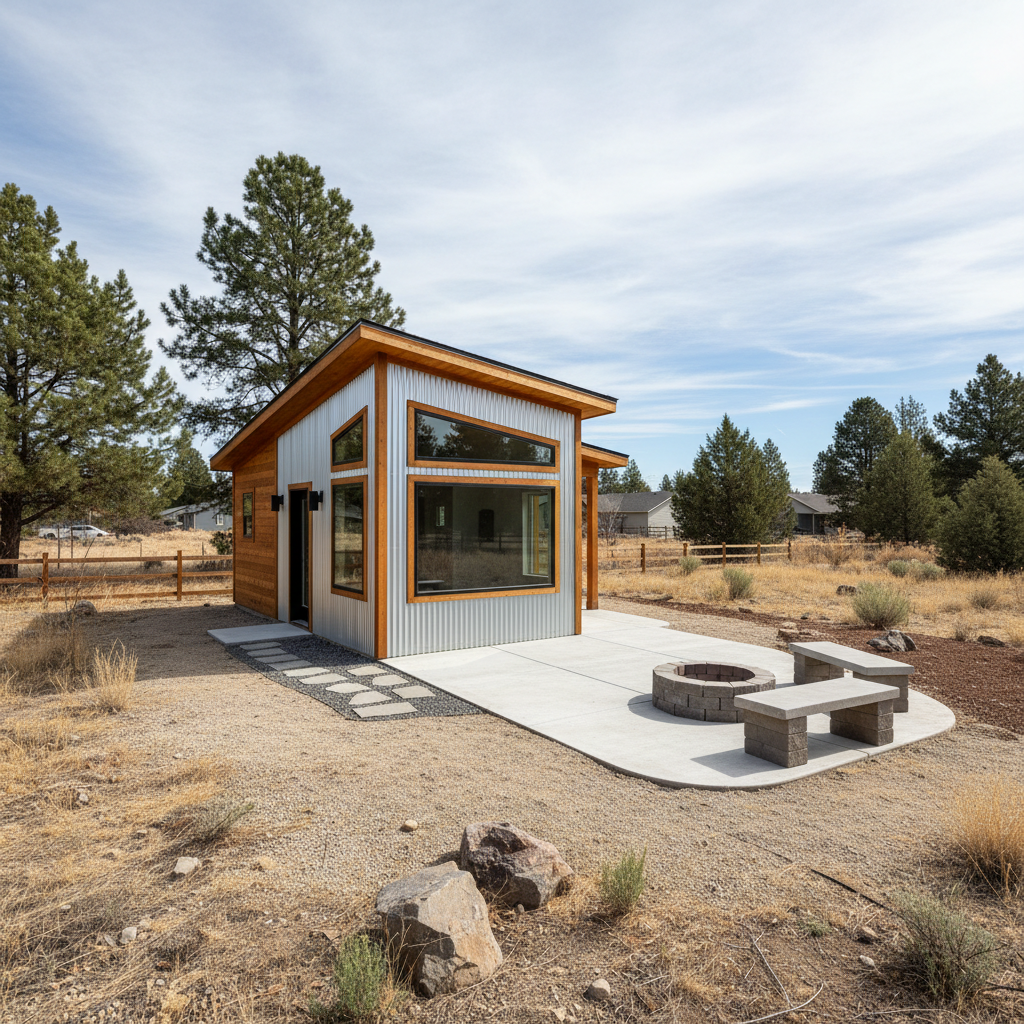
So, you've got yourself an ADU here in Bend. Whether it's for family, rental income, or just extra space, it's a big investment, and you want it to last, right? That means thinking about maintenance from day one. It's not just about fixing things when they break; it's about being proactive, especially with our Central Oregon weather throwing everything at us, from scorching summers to snowy winters.
Extending Your ADU's Lifespan: It's All About Prevention
Think of your ADU like a car. You wouldn't skip oil changes and expect it to run forever. Same goes for your building. The biggest thing you can do to extend its life is to be diligent with preventative care. I've seen too many small issues turn into huge, expensive headaches because folks put off simple tasks.
For us here in Bend, water management is huge. Our dry climate can make you complacent, but when the rain or snow hits, it hits hard. Make sure your gutters are clean, free of pine needles and debris, especially if you're near the Deschutes River or up in Awbrey Butte where there are plenty of trees. Clogged gutters mean water overflowing, potentially getting into your fascia, siding, or even your foundation. That's a fast track to rot and mold, and trust me, you don't want to deal with that. Check them twice a year – once in late fall after the leaves drop, and again in late spring.
Another big one is your roof. Our freeze-thaw cycles can be tough on roofing materials. Keep an eye out for missing shingles, cracked tiles, or any signs of wear. If you've got a flat roof, pay extra attention to seams and flashing. A small leak can cause massive damage over time, and you might not even see it until it's too late. I usually recommend a professional roof inspection every 3-5 years, especially after a particularly harsh winter.
Regular Maintenance: Your Seasonal Checklist
Here's a quick rundown of what you should be doing throughout the year:
- Spring: After the snow melts, check your foundation for cracks or shifting. Inspect exterior caulking around windows and doors – our dry air can really dry it out, leading to drafts and water intrusion. Give your deck or patio a good cleaning and check for loose boards or railings.
- Summer: Focus on ventilation. Make sure attic vents aren't blocked. If you have an HVAC system, change your filters regularly – monthly is best during heavy use. Check for pest activity; ants and spiders love our summer heat.
- Fall: Gutter cleaning, as I mentioned. Inspect your heating system before you need it. Seal any cracks or openings in your exterior to prevent rodents from seeking warmth inside. Trim back any tree branches that are touching the roof or siding.
- Winter: Keep snow cleared from around your foundation and away from exhaust vents. Watch for ice dams on your roof, which can cause significant damage. Ensure proper insulation to keep heating costs down and prevent pipes from freezing.
Don't forget the interior stuff either. Check smoke and carbon monoxide detectors, test GFCI outlets, and make sure all your plumbing fixtures aren't leaking. Simple stuff, but it makes a difference.
Warning Signs: Don't Ignore the Whispers
Your ADU will often tell you when something's wrong, you just have to listen. Here are some red flags:
- Water stains: On ceilings, walls, or around windows. This is a clear sign of a leak somewhere.
- Musty odors: Especially in basements, crawl spaces, or bathrooms. This often points to mold or mildew, which means moisture.
- Cracks: Beyond hairline cracks in drywall, look for larger, spreading cracks in walls, ceilings, or the foundation. These can indicate structural issues.
- Spongy floors: If your floor feels soft or bouncy in certain spots, it could mean water damage or subfloor issues.
- Drafts: Around windows, doors, or electrical outlets. This means your insulation or seals aren't doing their job, costing you money on energy bills.
- Pest droppings or activity: Don't ignore a few ants; it could be a sign of a larger infestation.
- Strange noises: Squeaking, grinding, or banging from your HVAC or water heater.
If you see any of these, don't just hope it goes away. Get it checked out.
When to Call a Pro: Don't Be a Hero
Look, I'm all for DIY, but there are times when you just need to call in the cavalry. If you're seeing significant water intrusion, major cracks, or suspect structural issues, that's definitely a job for a professional. Electrical problems, gas leaks, or anything involving your main plumbing lines are also best left to licensed experts. Trying to fix these yourself can be dangerous and often ends up costing more in the long run.
For things like roof repairs, significant siding damage, or persistent pest problems, it's wise to get a pro involved. We at Pacific ADU often get calls for general maintenance assessments, especially for folks who are new to homeownership or just want peace of mind. It's a small investment to prevent a much larger one down the road.
Keeping your ADU in top condition isn't rocket science, but it does require attention. A little effort now saves you a lot of grief and money later. Your ADU is an asset; treat it like one, and it'll serve you well for decades.