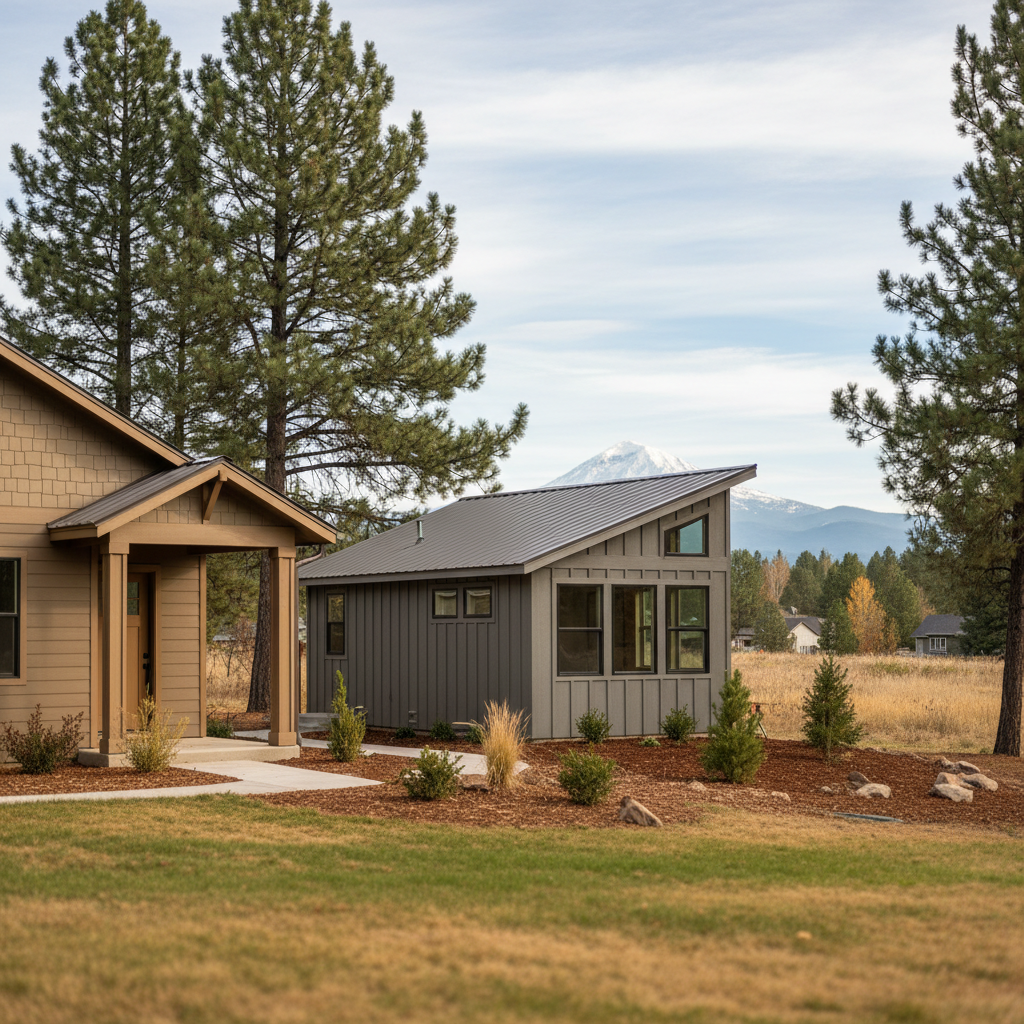
Alright, let's talk about building an ADU here in Bend. You've probably heard it before, but our weather isn't just 'weather' – it's a force of nature that dictates a lot about when and how we build. It's not just about getting the structure up; it's about making sure it lasts and stays comfortable year-round. You've got to think ahead, especially with our high desert climate.
When to Break Ground: Timing Your Bend ADU
Look, if you're planning an ADU, timing is everything. You can build year-round, sure, but some seasons are just plain smarter. They can save you headaches and, frankly, a good chunk of change. I always tell folks, if you can swing it, aim for a spring or early summer start. Why?
Spring (April-June): This is prime time. The ground's usually thawed, we're past the worst of the snow, and the rains are generally manageable. You get good, consistent temperatures for pouring foundations and framing. Concrete cures better, wood doesn't get soaked, and crews are generally more efficient. Plus, you're looking at getting your exterior buttoned up before the real heat of summer or the chill of fall.
Summer (July-September): Still a great window. You'll have long, dry days, which are fantastic for exterior work, roofing, and landscaping around your new ADU. The biggest challenge can be scheduling, as everyone wants to build in the summer. Also, those hot, dry days mean you need to be mindful of concrete curing and keeping materials protected from intense UV exposure.
Fall (October-November): This can be a bit of a gamble. Early fall can be beautiful, but once we hit late October, you're playing roulette with the first snows and freezing temperatures. If you can get your foundation and framing done before the deep cold sets in, you might be okay for interior work through winter. But if you're still doing earthwork or pouring concrete when it's routinely below freezing, you're looking at delays and extra costs for ground heating and concrete blankets.
Winter (December-March): Can you build in winter? Absolutely. But it's usually the most expensive and slowest time. Frozen ground means more effort and equipment for excavation. Concrete work requires extensive protection and heating. Snow, ice, and shorter daylight hours slow everything down. We do it, of course, but if you have flexibility, avoid starting major exterior work in the dead of winter unless you have a very specific reason.
The bottom line is, planning your start date around our seasons can dramatically impact your project's timeline and budget. We've seen projects in neighborhoods like Awbrey Butte get bogged down for weeks because an unexpected cold snap hit right when they were supposed to pour a slab. It's just part of building in Bend, isn't it?
Weather's Impact on Engineering & Construction
It's not just about comfort for the crew; the weather directly affects the structural integrity and longevity of your ADU. Here's what I mean:
Foundation Work: Freezing and thawing cycles are no joke. If you pour a foundation on frozen ground, or if fresh concrete freezes before it cures properly, you're asking for trouble down the road. It can compromise the strength and lead to cracking. We have specific methods and materials for cold-weather pours, but it's always better to avoid it if possible.
Framing & Moisture: Wood is hygroscopic, meaning it absorbs and releases moisture. If your framing lumber gets repeatedly soaked by rain and snow before it's dried in, it can lead to warping, swelling, and even mold issues if not properly dried out. We always aim to get the roof and exterior sheathing on as fast as possible to protect the bones of your ADU.
Exterior Finishes: Stucco, paint, and even some siding materials have temperature and humidity requirements for proper application and curing. Trying to paint in freezing temperatures, for example, can lead to poor adhesion and premature failure. We pay close attention to manufacturer specs, especially with our wide temperature swings.
Soil Conditions: Our volcanic soil, especially in areas like the Old Mill District, can be a mix of rock and clay. When it's dry, it's one thing; when it's saturated from spring rains or melting snow, it can behave very differently. This impacts excavation, drainage, and even how we design your foundation to prevent future settlement issues.
Protecting Your ADU Year-Round: Beyond the Build
Once your Pacific ADU is built, the job isn't over. You've made a significant investment, and protecting it from Bend's climate is an ongoing task. Think of it like maintaining your primary home, but sometimes with a slightly different focus due to its size or use.
Winter Prep: Before the first hard freeze, make sure exterior faucets are turned off and drained, and any irrigation systems are blown out. Clear gutters of pine needles and debris – clogged gutters can lead to ice dams and water damage. If your ADU is vacant for periods, consider setting the thermostat to a minimum temperature (around 50°F) to prevent pipes from freezing.
Summer Care: Our dry summers mean fire danger is always a concern. Keep the area around your ADU clear of combustible materials like dry brush and leaves. Check your roof for any sun damage or cracking on flashing, especially if it's an older roof. Regular cleaning of windows and siding helps prevent buildup from dust and pollen.
Drainage Checks: After heavy rains or snowmelt, walk around your ADU and make sure water is flowing away from the foundation. If you see puddles or water pooling, you might need to adjust grading or add a French drain. Proper drainage is one of the best defenses against foundation problems.
Roof & Siding Inspections: Annually, ideally in the spring or fall, give your roof and siding a good once-over. Look for loose shingles, cracked caulk, or any signs of wear and tear. Small repairs now can prevent big problems later. Our intense sun, snow, and wind can be tough on exterior materials.
Building an ADU here is a smart move, and with a little seasonal foresight, you can ensure it's a comfortable, durable, and valuable asset for years to come. It's all about understanding our local conditions and planning accordingly.