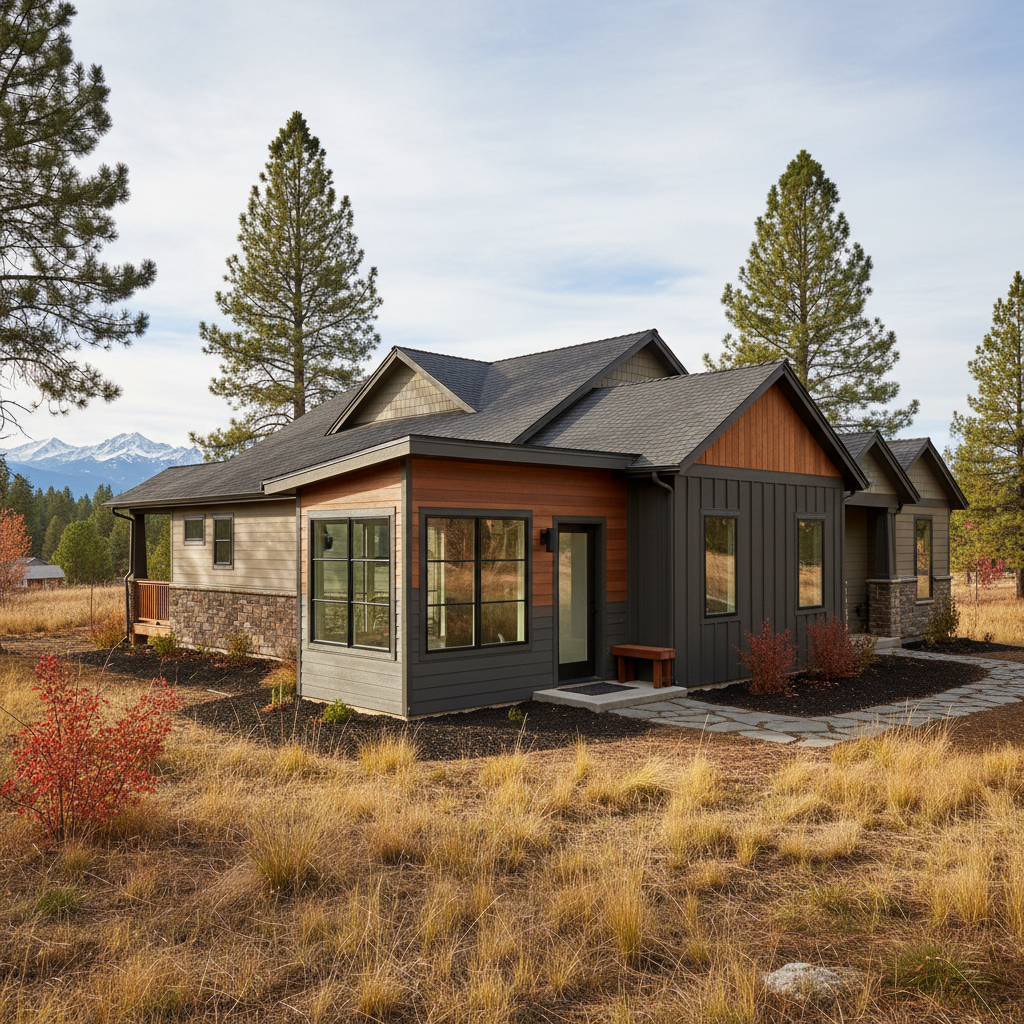
Let us talk about attached ADUs here in Bend. You are adding onto your existing home. This means you have a different situation than a detached unit when it comes to weather as well as scheduling. Our high-desert climate is beautiful. It can also throw some challenges at a construction project. Our team has seen it all. Here is what you need to know to protect your attached ADU investment year-round in Bend.
Timing Your Attached ADU Project in Bend
Many people ask about the best time to build an attached ADU. For most homeowners, the best time to start an attached ADU is in the spring. You want to get the foundation in as well as the framing up before the really hot summer hits or the winter snow starts flying. Our team usually advises clients in Bend to plan their attached ADU project like this:
- Fall/Early Winter: Design & Permitting. This is your planning phase for your attached ADU. You should get your designs finalized as well as submit those permits. The City of Bend and Deschutes County are making the ADU permit process easier. Sometimes you can even get faster reviews if you use pre-approved plans. Permitting can take a few weeks or even months. Starting this work in the slower, colder months means you are ready to go when the weather gets better for your attached ADU construction.
- Spring: Break Ground. As soon as the ground thaws and the spring rains start to ease up, that is your window for your attached ADU. Warmer temperatures are better for concrete curing. You will also have more daylight hours. You want to get your foundation poured and the framing up when it is not too hot, not too cold, and not too wet for your attached ADU project in Bend.
- Summer: Enclose & Finish. Our Bend summers are usually dry and clear. This is perfect for getting the exterior enclosed, roofing done, and then moving inside for finishes on your attached ADU. You do not want to be battling rain or snow when you are trying to get your roof on or siding up.
- Late Fall: Finish Up. If your attached ADU project runs a bit longer, finishing interior work in late fall is usually fine. You just need to make sure the exterior of your attached ADU is sealed up before the heavy winter weather arrives in Bend.
Weather Conditions and Your Attached ADU Build in Bend
Bend's climate is not just about hot summers and snowy winters. It is the big temperature changes that can be difficult. We can have 35-40 degree temperature changes between day and night, even in summer. That kind of change is tough on materials if you are not careful. Here is what we watch out for with your attached ADU in Bend:
- Winter: Frost Heave & Concrete. This is an important factor for foundations in Bend. Bend's volcanic soils, along with freezing temperatures and moisture, can lead to frost heave. This happens when the ground expands as water in the soil freezes. It pushes up foundations and causes cracks. For an attached ADU, this means extra care around your existing foundation. We need to make sure footings are below the frost line. Drainage also needs to be correct to prevent water accumulation around your attached ADU. Pouring concrete in winter requires special cold-weather practices. These include heated enclosures as well as proper curing to make sure it performs like a summer pour.
- Summer: Dryness & UV. Our 300+ days of sunshine are great for activities. However, that intense UV light and dry air can be hard on exterior materials for your attached ADU. We are talking about things like exterior paint fading faster. Asphalt shingles can dry out. Even wood flooring or millwork needs proper acclimation on site before installation to prevent gaps later.
- Wind & Rain: While not as strong as other regions, we do get our share of wind and rain in Bend. This happens especially in spring and fall. These conditions can cause delays if you are working on exterior elements like framing or roofing for your attached ADU.
Protecting Your Attached ADU Investment Year-Round in Bend
Once your attached ADU is built, you have to keep it protected. Because it is connected to your main home, issues can sometimes affect both structures. Here are our top tips for your attached ADU:
- Winterizing Plumbing: This is very important. It applies especially to any pipes running through unheated spaces or along exterior walls of your attached ADU. You should insulate those pipes. Foam sleeves are a low-cost way to protect them. You should keep the thermostat set no lower than 55°F, even if the unit is vacant. This will prevent burst pipes.
- Ice Dam Prevention: Bend winters can bring a lot of snow. Heat escaping through your roof can melt snow. This melted snow then refreezes at the eaves, creating ice dams. These ice dams can force water under your shingles and into your home. Proper attic ventilation as well as good insulation are key to keeping your roof surface cold. This helps prevent ice dams on your attached ADU.
- Drainage is Your Friend: With an attached ADU, you have two roofs shedding water. You should make sure gutters are clear. Downspouts must direct water well away from both foundations. Grading around your attached ADU should slope away from the structure. This prevents water from pooling, especially with our porous volcanic soils in Bend.
- Seal Up & Insulate: The dry air and temperature swings in Bend mean caulk and sealants can dry out faster. You should regularly check around windows, doors, and utility penetrations for cracks on your attached ADU. Good insulation in walls, roof, and floors (especially if it is over a crawlspace or garage) will keep your energy bills down. It will also prevent moisture issues.
- UV Protection for Exteriors: You should consider high-quality, UV-resistant paints and stains for siding and decks on your attached ADU. Regular maintenance, like re-staining decks more often than you might elsewhere, will make them last longer. This will also keep your attached ADU looking good.
Building an attached ADU in Bend is a good decision. With Pacific ADU, we make sure we are building it right for our local conditions. A little seasonal awareness as well as proactive maintenance will go a long way in keeping your new attached ADU space comfortable and valuable for many years to come in Bend.