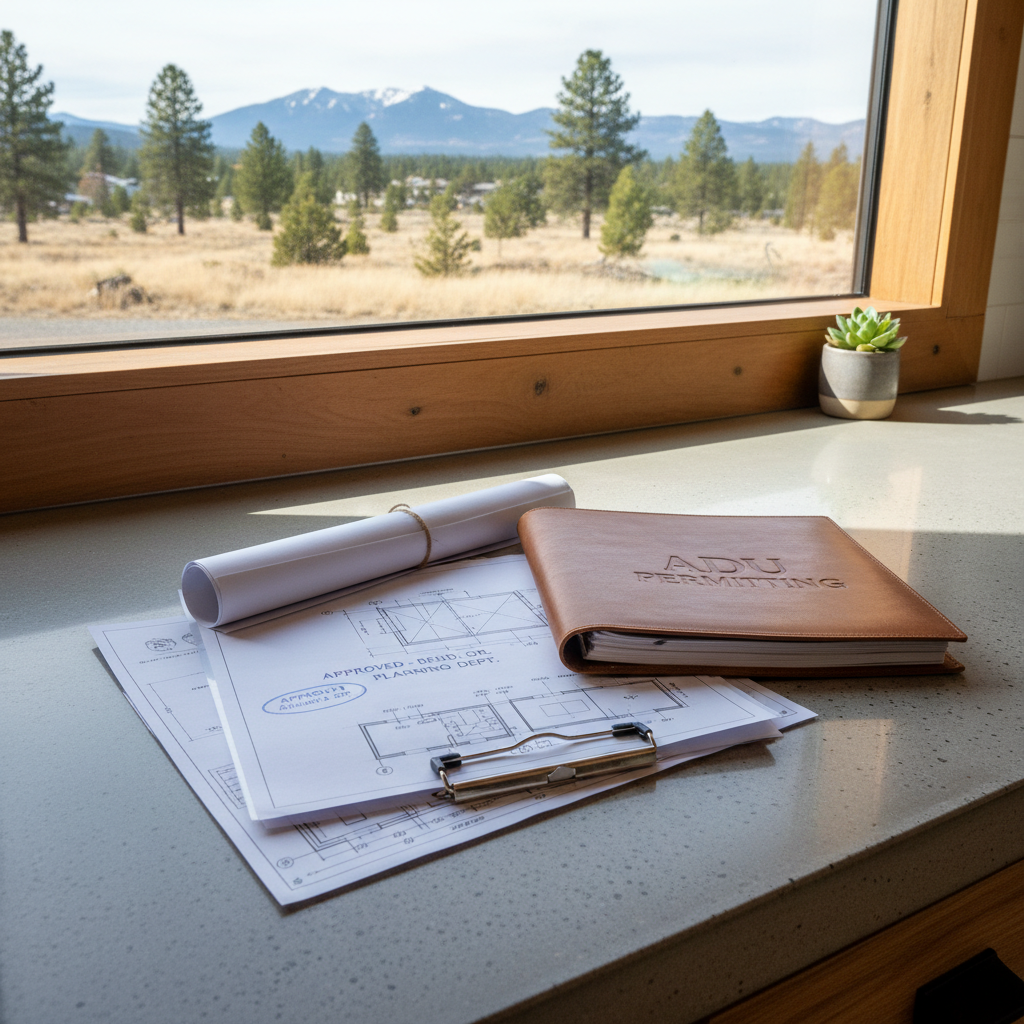
Do I even need a permit for my ADU in Bend?
Absolutely, you do. This isn't like building a shed in your backyard where you might get away with it if it's small enough. An ADU, whether it's attached, detached, or a conversion, is a habitable living space. That means it's got to meet all sorts of building codes, zoning requirements, and safety standards. The City of Bend wants to make sure it's safe for people to live in, it's hooked up to utilities properly, and it doesn't cause issues for your neighbors or the local infrastructure. Skipping permits is a huge risk; you could face hefty fines, be forced to tear it down, or have serious problems when you try to sell your property down the line. Don't even think about it.
How long does the ADU permitting process usually take in Bend?
This is probably the most common question I get, and honestly, it's the hardest to give a single answer to. It's not a quick process, that's for sure. From the moment you submit your plans to getting that final sign-off, you're looking at anywhere from 6 months to a year, sometimes even longer. It really depends on a few things: how complex your project is, how complete and accurate your initial submission is, and how busy the City's planning and building departments are. We've seen projects sail through relatively quickly when everything's perfect, and others get bogged down for months over a single detail or a backlog at the city. My advice? Plan for the longer end of that spectrum and be pleasantly surprised if it's faster. Patience is key here.
What's the difference between planning permits and building permits for an ADU?
Okay, so you're dealing with two main types of permits, and they come in sequence. First up is the planning permit. This is where the City's planning department looks at your project from a zoning and land-use perspective. They're checking things like setbacks from property lines, lot coverage, height restrictions, and how it fits into the neighborhood character. They want to make sure your ADU complies with all the rules for where you're building it. Once planning gives you the green light, then you move on to the building permit. This is where the building department dives into the structural integrity, electrical, plumbing, mechanical systems, and fire safety. They're making sure it's built to code and safe for occupancy. You can't get a building permit without first having your planning approvals, so it's a step-by-step process.
Will I need to upgrade my utilities (water, sewer, electrical) for an ADU?
Most likely, yes, you will. This is a big one that often surprises homeowners. For water and sewer, the City of Bend will assess if your existing service lines can handle the increased demand of an additional dwelling unit. Sometimes, especially in older parts of town or if you're adding a detached ADU, you might need to run new, separate lines or upgrade your existing ones. For electrical, you'll almost certainly need a service upgrade to your main panel. An ADU needs its own dedicated circuits, and your existing 100-amp service might not cut it. We often see homeowners needing to upgrade to 200-amp service to accommodate the ADU's needs plus their existing home. Gas lines can also be a factor if you're planning gas appliances in the ADU. These utility upgrades can add significant cost and complexity, so it's crucial to factor them into your budget and timeline early on.
Can I build an ADU in any Bend neighborhood, like say, Awbrey Butte?
Generally, ADUs are allowed in most residential zones within Bend, thanks to recent state and local changes aimed at increasing housing density. However, there are still specific rules and limitations that vary by zone. For instance, in some of the more established, lower-density areas like parts of Awbrey Butte, there might be stricter setback requirements or lot coverage limits compared to, say, a newer subdivision on the east side. Also, if your property is part of a Homeowners Association (HOA), their covenants can sometimes add another layer of restrictions on top of what the City allows. Always, always, check your specific property's zoning and any HOA rules before you get too far into planning. It saves a lot of headaches down the road. We at Pacific ADU always start with this step.
What kind of professional help do I need for ADU permitting?
You're going to need a team, plain and simple. Unless you're a licensed architect, engineer, and general contractor yourself, you'll want to hire professionals. Here's a breakdown:
- Architect or Designer: They'll draw up your plans, making sure they meet all zoning and building codes, and look good too. This is where the initial vision comes to life.
- Structural Engineer: They'll review and stamp the structural components of your plans, ensuring the building is sound and safe, especially important with Bend's seismic considerations.
- Civil Engineer: Sometimes needed for site-specific issues like drainage, grading, or utility connections, particularly if you have a challenging lot.
- General Contractor: That's us! We oversee the entire construction process, coordinate all the trades, and make sure everything is built to code and passes inspections. We also often help navigate the permitting process, submitting plans and responding to city comments.
Trying to DIY the design and permitting can be a false economy; mistakes can cost you far more in delays and rework than hiring the right pros from the start.
Are there any common reasons ADU permit applications get denied or delayed in Bend?
Oh yeah, plenty. The biggest culprit is usually incomplete or inaccurate plans. If your drawings are missing details, don't clearly show compliance with setbacks, or have conflicting information, the City will kick them back. Another common one is not addressing all the specific requirements for your zone – maybe you missed a height restriction or a specific parking requirement. Utility issues, as I mentioned, can also cause delays if the initial assessment shows major upgrades are needed that weren't accounted for. And sometimes, it's just the sheer volume of applications at the City. They're doing their best, but things can get backed up. That's why having experienced professionals who know Bend's specific codes and processes can make a huge difference in keeping things moving.