Thinking About a Detached ADU?
You're eyeing that extra space in your backyard, aren't you? Maybe it's for family, or for some rental income, or even just a sweet home office away from the main house. A detached ADU—a separate little building—can be a fantastic addition to any property right here in Bend. But before you grab a hammer or even start sketching, let's talk about what you can actually tackle yourself and when you absolutely need to bring in the pros.
Before You Break Ground: Planning & Design
This is where a lot of folks get excited and think they can do it all. And for some parts, you really can! You know your property best, you know what you need, and you've got a vision. That's a huge head start.
- Your Vision & Needs: Absolutely, you can map out your ideal layout, how many bedrooms, what kind of kitchen. Think about how it'll sit on your lot, where the windows will face for that morning sun or mountain view. You can even sketch out a floor plan—graph paper and a pencil are your friends here.
- Researching Zoning & Codes: This one's a mixed bag. You can definitely go to the City of Bend's planning department website and pull up the ADU regulations. You can read through them, understand setbacks, maximum height, and lot coverage. It's tedious, yes, but totally doable. What you might miss, though, are the nuances, the interpretations, or specific conditions for your property. This is often where a good ADU designer or architect really earns their keep—they speak the planning department's language.
- Budgeting: You can absolutely get initial estimates for materials and even call a few contractors for ballpark figures. Look at what similar ADUs are renting for or selling for to understand your potential return. But remember, putting together a detailed construction budget with contingencies? That takes experience.
- Site Assessment: Walk your property. Where are the trees? What about utility lines—water, sewer, power? Is your lot flat or sloped? Bend's volcanic soil can be tricky, and you might have bedrock closer to the surface than you think, which impacts excavation. You can note all these things, but a professional survey and geotechnical report are non-negotiable for permitting.
My advice? Do the visioning and initial research yourself. Get clear on what you want. But when it comes to translating that into permit-ready drawings and making sure it meets every single code, hire a licensed architect or designer who specializes in ADUs. They'll save you headaches and costly revisions down the line, trust me.
During Construction: Getting Your Hands Dirty (or Not)
Okay, the permits are in hand. Now what? This is where the line between DIY and pro gets really important, especially for a detached structure.
- Demolition & Site Prep: If you're just clearing brush or pulling up an old shed, go for it! Rent a dumpster, get some friends. But if it involves significant excavation, moving earth, or dealing with existing utilities, you need heavy equipment and experienced operators. You don't want to accidentally sever a main sewer line, do you?
- Foundation: This is NOT a DIY job. Seriously. The foundation is the backbone of your ADU. It needs to be perfectly level, properly reinforced, and meet stringent structural codes. A mistake here can lead to cracks, settling, and major structural issues. Hire a licensed concrete contractor.
- Framing: If you're an experienced carpenter—and I mean experienced—you might tackle some of the framing. But for most homeowners, this is a job for pros. It's about structural integrity, getting everything plumb and square, and doing it efficiently. Plus, you'll need specialized tools and safety gear.
- Rough-ins (Plumbing, Electrical, HVAC): Absolutely, 100% hire licensed professionals for these. These systems are complex, dangerous if done wrong, and heavily regulated. One wrong wire or pipe can lead to fire, water damage, or worse. Inspectors will scrutinize these, and you need certified work.
- Insulation & Drywall: This is where you can save some money if you're handy. Installing insulation isn't rocket science, but getting it right for energy efficiency is key, especially with our Bend winters. Drywall hanging and finishing is a skill, but many homeowners successfully tackle it. Just be prepared for dust and sore muscles.
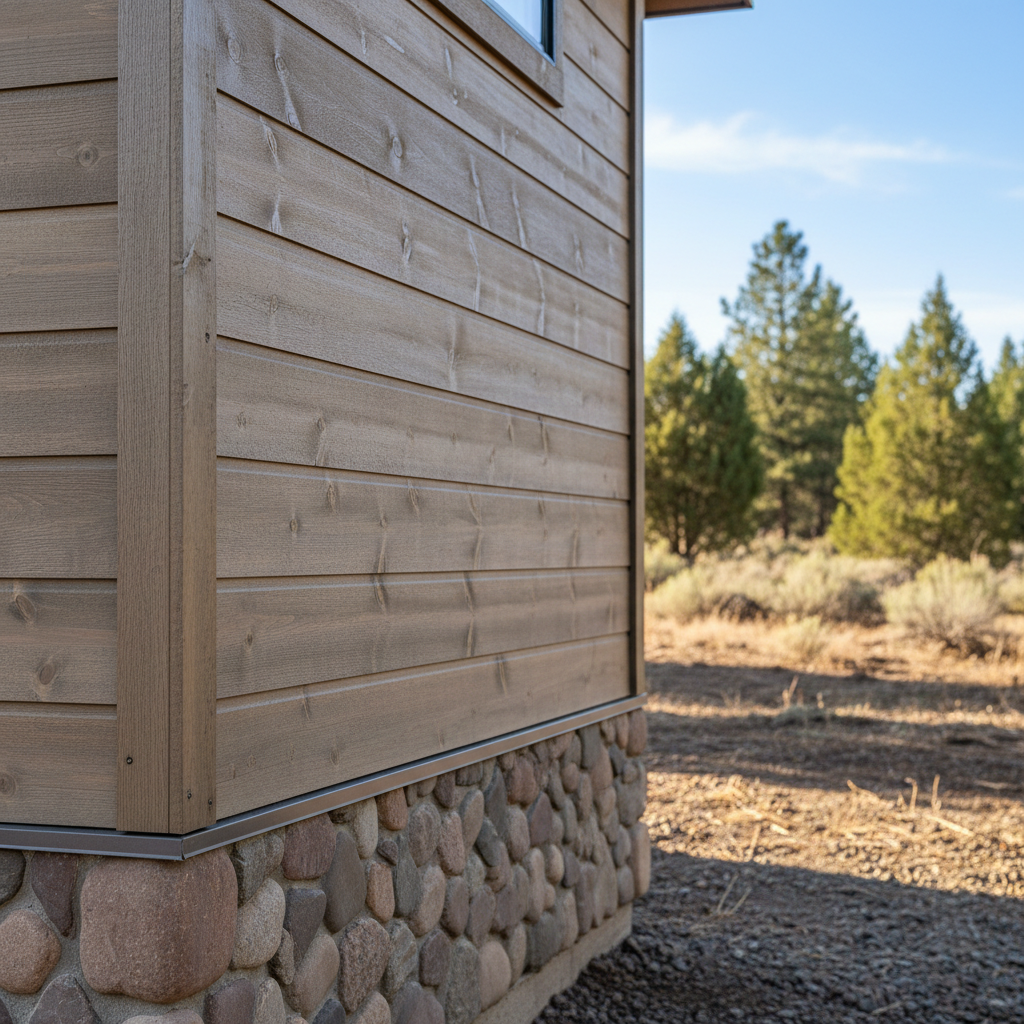
- Exterior Finishes (Siding, Roofing): Siding can be a DIY project if you're patient and detail-oriented. Roofing? Unless it's a very simple low-slope roof and you know what you're doing, hire a pro. Water intrusion is your worst enemy.
- Interior Finishes (Painting, Flooring, Cabinets, Trim): This is prime DIY territory! Painting is a classic homeowner task. Installing laminate or engineered wood flooring is very doable. Even assembling and installing pre-fab cabinets can be a great way to save money. Trim work takes patience but can be learned.
For Pacific ADU, we often see homeowners who want to do the painting and flooring themselves. That's a smart move. It saves money and gives you a real sense of ownership. But for the structural and mechanical stuff, trust me, you want the pros.
After It's Built: The Finishing Touches & Maintenance
The inspections are passed, the certificate of occupancy is in hand. Congratulations! Now what?
- Landscaping: This is all you! Design your pathways, plant your drought-tolerant native plants (think about Bend's high desert climate!), and create that welcoming outdoor space.
- Furnishing & Decorating: Have fun with it! Make it your own.
- Ongoing Maintenance: Just like your main house, your ADU will need regular care. Cleaning gutters, checking for leaks, maintaining any exterior finishes—these are all things you can and should do yourself. Keep an eye on the crawl space or foundation for any signs of moisture, especially after heavy snowmelt or rain.
Building a detached ADU is a big project, but it's incredibly rewarding. Don't be afraid to get involved where you can, but also know your limits. There's no shame in calling in the experts for the critical stuff. It's an investment, and you want it done right.